Dead Tree Removal in Montgomery County, PA
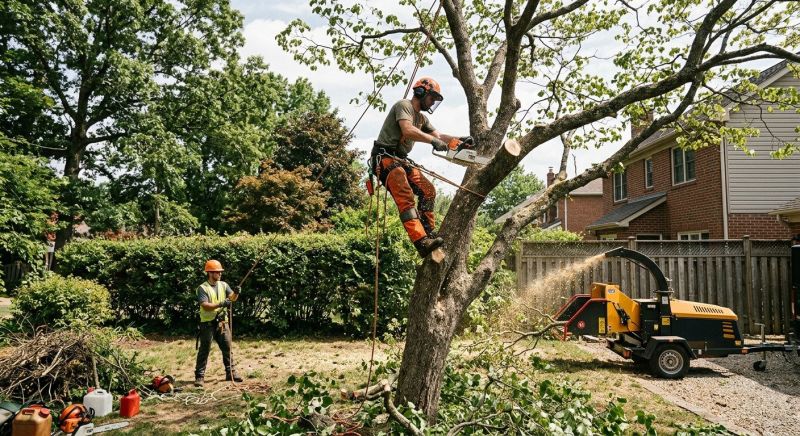
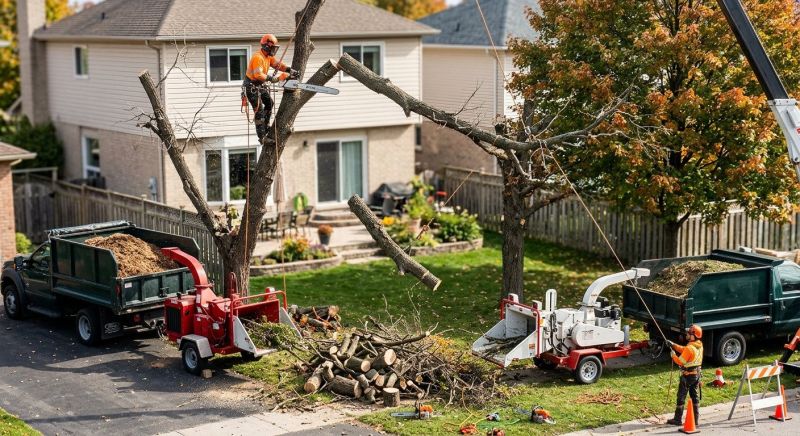
Dead tree removal services involve safely removing trees that are dead, decaying, or posing a hazard to property or people. This process typically includes assessing the tree’s condition, planning the safest method of removal, and using specialized equipment to dismantle and clear the tree from the property. These projects often arise when a tree shows signs of disease, extensive damage from storms, or has become unstable, creating potential risks for nearby structures, power lines, or passersby.
Homeowners interested in dead tree removal should consider factors such as the size and location of the tree, accessibility of the site, and potential impacts on surrounding landscaping. It’s important to understand the scope of work involved, including any necessary cleanup or stump grinding afterward. Proper planning and execution help ensure the safety of the property and prevent future issues related to decaying or hazardous trees.
Many property owners in Montgomery County, PA look into Dead Tree Removal for repairs, replacements, upgrades, and appearance-related improvements.
Safety And Property Protection
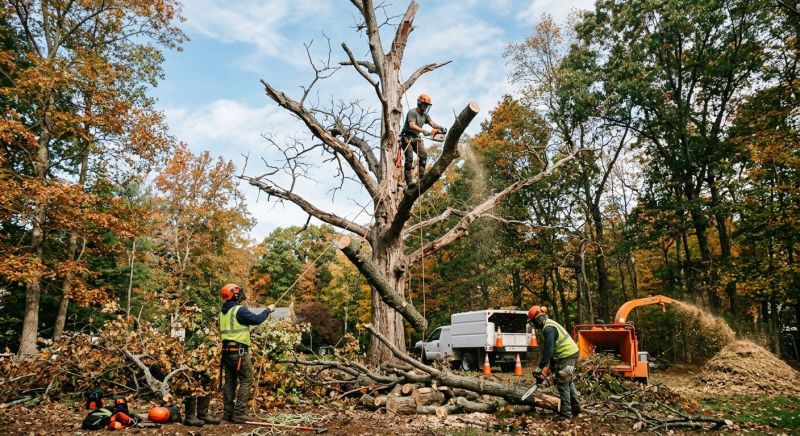
Removing dead trees helps prevent potential hazards and property damage on residential and commercial properties.
Aesthetic Improvement
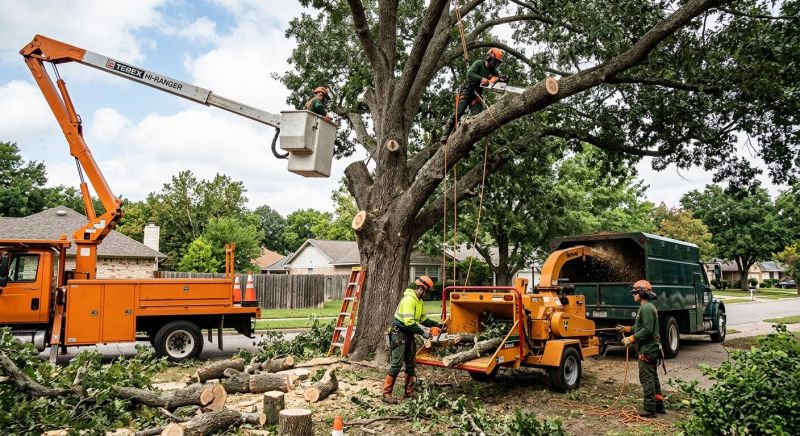
Eliminating unsightly dead trees enhances the appearance and curb appeal of homes and landscapes in montgomery county.
Tree Health And Maintenance
Dead tree removal is part of regular landscape care to promote the health of surrounding trees and plants.
Dead Tree Removal in Montgomery County, PA

Dead tree removal services involve safely removing trees that are dead, decaying, or posing a hazard to property or people. This process typically includes assessing the tree’s condition, planning the safest method of removal, and using specialized equipment to dismantle and clear the tree from the property. These projects often arise when a tree shows signs of disease, extensive damage from storms, or has become unstable, creating potential risks for nearby structures, power lines, or passersby.
Homeowners interested in dead tree removal should consider factors such as the size and location of the tree, accessibility of the site, and potential impacts on surrounding landscaping. It’s important to understand the scope of work involved, including any necessary cleanup or stump grinding afterward. Proper planning and execution help ensure the safety of the property and prevent future issues related to decaying or hazardous trees.
Many property owners in Montgomery County, PA look into Dead Tree Removal for repairs, replacements, upgrades, and appearance-related improvements.
Common Dead Tree Removal Jobs
Dead tree removal involves safely cutting down and removing hazardous or dead trees from residential properties.
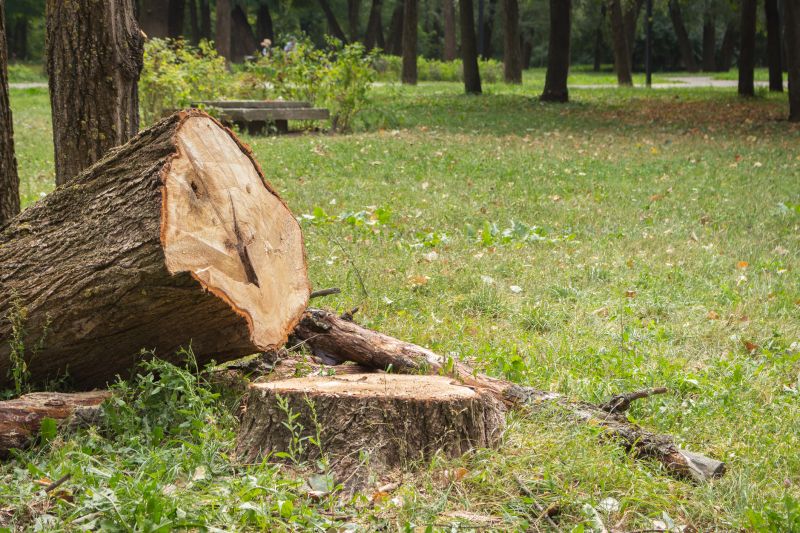
Stump grinding clears out remaining tree stumps to prevent regrowth and maintain yard safety.
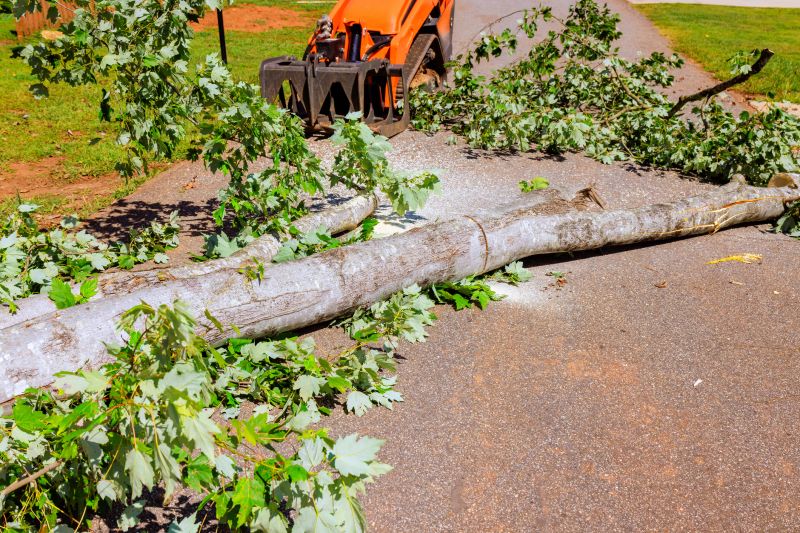
Emergency tree removal addresses storm-damaged or fallen trees that pose immediate safety risks.
Selective tree removal removes specific dead or diseased trees to improve overall landscape health.
Hazard tree assessment evaluates dead or dying trees to determine the need for removal or further action.
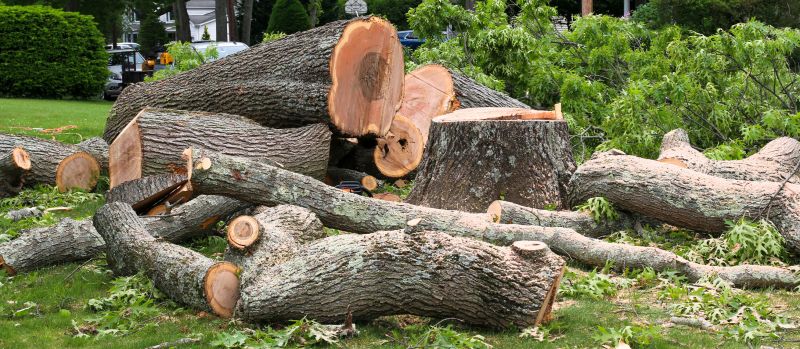
Tree cleanup services include debris removal and yard clearing after dead tree removal is completed.
Dead Tree Removal Questions
Why remove dead trees from a property? Dead trees can pose safety hazards, damage property, and attract pests. Removing them helps maintain a safe and healthy landscape.
What signs indicate a tree may be dead? Lack of leaves, brittle branches, and visible decay are common signs that a tree might be dead or dying.
Is dead tree removal necessary near structures? Yes, dead trees close to buildings or power lines should be removed to prevent potential damage or accidents.
What is involved in dead tree removal? The process typically includes assessing the tree, safely cutting it down, and removing debris from the property.
Request Dead Tree Removal in Montgomery County, PA
Use the quote form on this page to share the basics of your project and request more information for the type of work you need.