Compare Local Contractors for Safe Tree Limb Removal
Compare local contractors for tree limb removal to define project scope, verify experience, and set clear expectations in writing for a successful job.
Tree limb removal services typically involve the careful trimming or cutting of overhanging or damaged branches that pose a risk to property, pedestrians, or other trees. This work can include removing dead, diseased, or broken limbs, as well as thinning out dense canopies to improve overall tree health and prevent future hazards. Contractors may use various techniques and equipment to ensure that the removal is safe and minimally disruptive, especially when working around structures, power lines, or other landscape features.
Clearly defining the scope of tree limb removal is essential for setting realistic expectations and ensuring the work meets the property owner’s needs. A detailed scope might specify which branches are to be removed, the size and location of limbs, and any preservation considerations for the tree’s overall health or appearance. Having this information in writing helps prevent misunderstandings, allows for accurate comparisons between service providers, and ensures that all parties are aligned on the work to be performed.
Property owners can compare local contractors by examining their experience with similar projects, reviewing the scope of work they typically handle, and verifying their familiarity with the types of trees and limbs involved. It’s also helpful to assess how each contractor communicates and documents the scope of work, as well as their approach to safety and cleanup. Gathering detailed information about their methods and ensuring the scope is clearly outlined in writing can make it easier to evaluate which service providers are best suited to handle the specific needs of a property, fostering a smoother and more predictable process.
Compare local contractors by outlining project priorities, verifying experience, and clearly defining scope and expectations in writing.
- Compare Contractor Experience - Review the background and track record of local service providers to ensure they have relevant experience.
- Define the Scope of Work - Clearly outline the specific tree limb removal tasks to set expectations.
- Verify Credentials and References - Check references and previous work to confirm the reliability of local contractors.
- Get Written Agreements - Ensure all job details, responsibilities, and expectations are documented in a formal agreement.
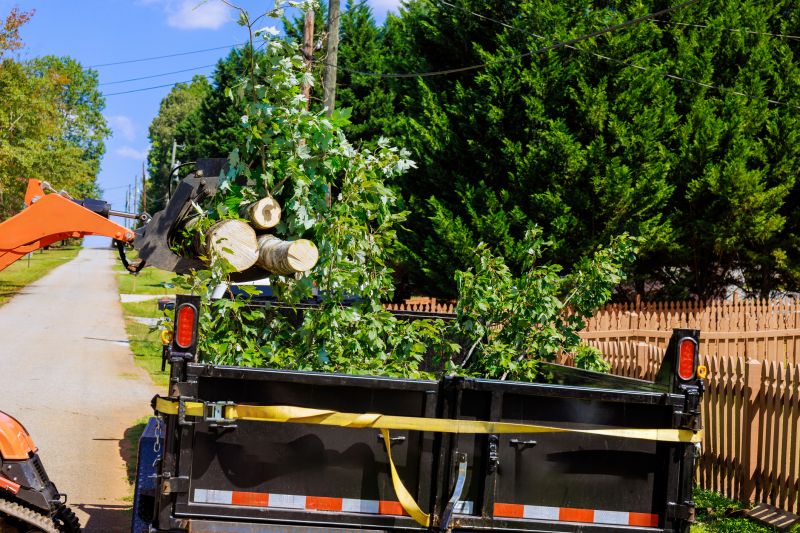
Before comparing local contractors for tree limbs removal, clearly describe your project scope to ensure accurate options.
- Assess the contractor’s experience with tree limb removal to ensure they understand proper techniques and safety measures. - Verify that the scope of work clearly defines which limbs will be removed and how the process will be carried out.
- Check that the contractor provides a written estimate outlining the work to be performed and any associated details. - Confirm that the service provider has appropriate equipment and safety protocols for limb removal tasks.
- Ensure the contractor discusses potential impacts on tree health and advises on best pruning practices. - Look for contractors who can explain their approach to minimizing damage to the tree during limb removal.
- Compare different local contractors to evaluate their experience, reputation, and scope of services offered. - Make sure the contractor is familiar with the specific types of trees and limbs involved in the project.
- Confirm that the scope of work includes cleanup and removal of debris after limb removal is completed. - Clarify that the contractor will handle disposal or hauling of removed limbs as part of the service.
- Request a detailed, written contract that specifies the work, scope, and any warranties or guarantees. - Ensure all expectations are documented to prevent misunderstandings during the project.
Compare local contractors’ experience and reviews to help define the scope and set clear expectations.
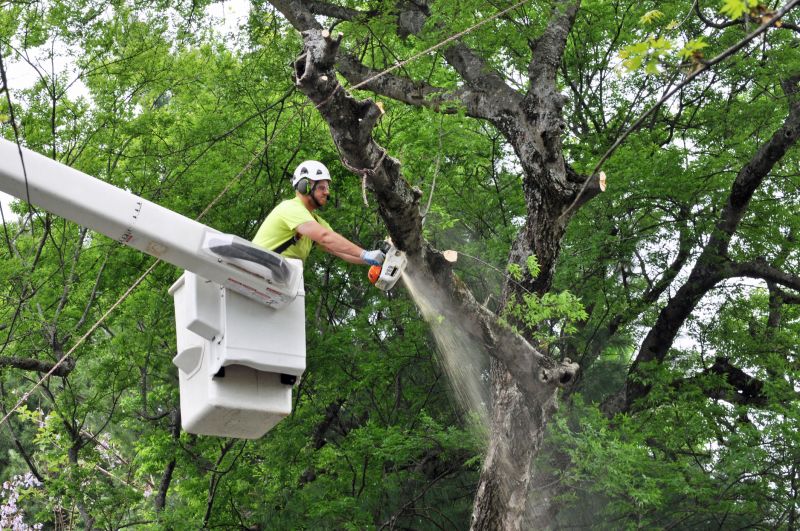
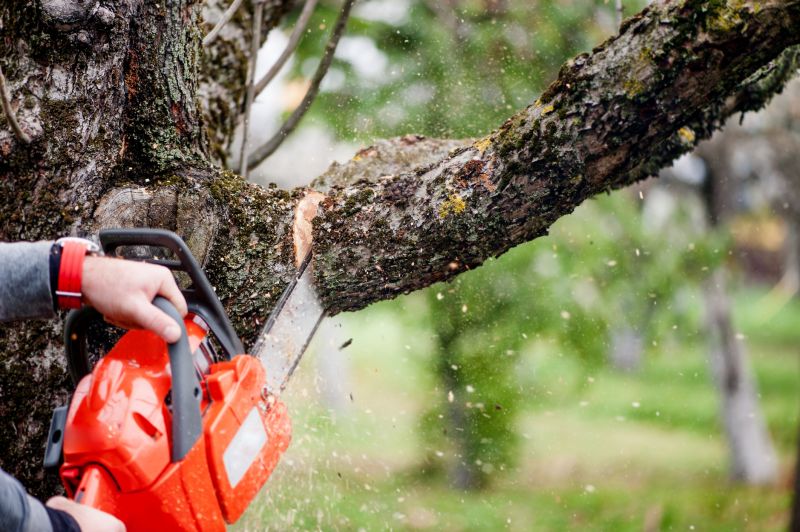
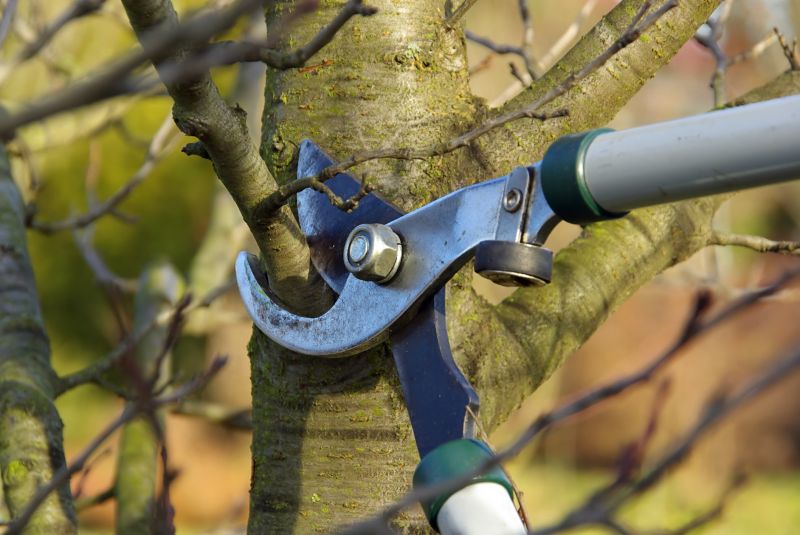
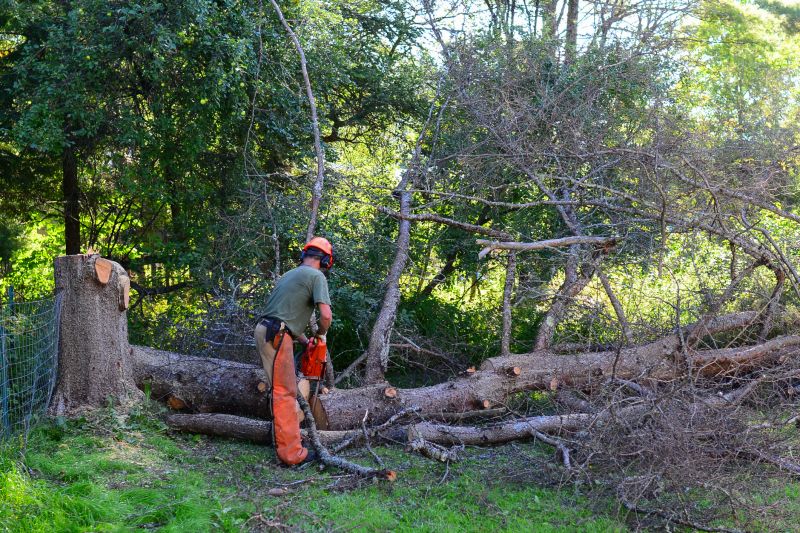
Use clear scope definitions and verify experience to ensure consistent comparisons among local service providers.
- Scope Definition - Clearly outline the specific tree limbs to be removed and the extent of work required.
- Experience Verification - Confirm that local contractors have relevant experience with tree limb removal projects.
- Equipment and Techniques - Specify the tools and methods that will be used to perform the limb removal safely and effectively.
- Work Site Preparation - Describe any necessary site preparations or protective measures needed during the removal process.
- Written Agreement - Ensure all scope details, expectations, and responsibilities are documented in a formal agreement.
When comparing contractors for tree limb removal, it is important to evaluate their experience with similar projects. Look for service providers who have a proven track record of handling tree limb removal in environments comparable to your property. An experienced contractor will understand the complexities involved, such as working around existing structures, managing large or hazardous limbs, and adhering to safety considerations. Gathering information about their past projects can help gauge their familiarity with the scope and challenges specific to your needs, ensuring that the work is performed efficiently and effectively.
A clear and detailed written scope is essential when assessing potential contractors. This document should outline exactly what work will be performed, including the number and size of limbs to be removed, access points, and any additional services such as cleanup or stump removal. A well-defined scope helps prevent misunderstandings and sets clear expectations for both parties. When reviewing proposals or estimates, ensure that the scope is thorough and specific, providing a solid foundation for evaluating the contractor’s approach and ensuring that all aspects of the job are addressed.
Verification basics are key to confidently selecting a contractor for tree limb removal. Confirm that the service providers have appropriate insurance coverage, which can protect against potential damages or accidents during the project. It is also helpful to verify their reputation through references or reviews, and to inquire about their safety practices and adherence to industry standards. While licensing and certification are not part of this process, gathering evidence of consistent, quality work and responsible practices can serve as indicators of a reliable contractor.
Evaluating options without focusing on prices involves comparing the scope of work, experience, and professionalism demonstrated by each contractor. Consider how well each service provider communicates and whether their proposals align with your project needs. Look for clarity in their explanations, responsiveness to questions, and a comprehensive understanding of the job. By focusing on these qualitative factors, homeowners can make informed decisions that prioritize quality and reliability, leading to a successful tree limb removal project handled by capable local contractors.
Ask for written scope and details to ensure clear expectations and consistent work quality with service providers.
- Scope of Work - What specific tree limb removal services are included and are there any limitations?
- Experience and References - How long have the local contractors been performing tree limb removal, and can they provide references?
- Work Guarantee - Do the service providers offer any written warranties or assurances for their tree limb removal work?
- Insurance and Liability - Are the local contractors insured to protect against potential damages or accidents during limb removal?
- Scope Clarification - How will the contractor define and document the scope of work to ensure mutual understanding?
How can I compare contractors for tree limb removal? It’s helpful to review their experience, verify references, and check if they provide clear written estimates that define the scope of work.
What should I consider when defining the scope of tree limb removal? Clearly outline which limbs need removal, the size and location of the branches, and any safety or access considerations to ensure all parties understand the project.
How do I verify a contractor’s experience with tree limb removal? Ask for details about their past projects, request references, and look for reviews or testimonials that demonstrate their familiarity with similar jobs.
Why is it important to get work details in writing? Having a written agreement helps set expectations, clarifies the scope of work, and provides a record of what is agreed upon, reducing misunderstandings.
What questions should I ask a contractor before hiring for limb removal? Inquire about their process, safety measures, experience with similar trees, and how they plan to handle potential complications during removal.
How can I ensure the contractor understands my specific needs? Communicate your goals clearly, ask for a detailed scope of work, and confirm that all expectations are documented before work begins.
Understanding the key aspects of tree limb removal services can help in making informed decisions. Visitors learned how to clearly define the scope of work, verify the experience of service providers, and set clear expectations through written agreements. Comparing options among local contractors allows for a better understanding of available services and helps identify providers who meet specific project needs.
Using the quote form allows for easy comparison of local contractors specializing in tree limb removal. It provides an opportunity to gather information, evaluate different service providers, and find options that align with individual project requirements. Taking a moment to compare local options can support making choices that match the scope and expectations of the job.