Deadwood Removal in Doylestown, PA
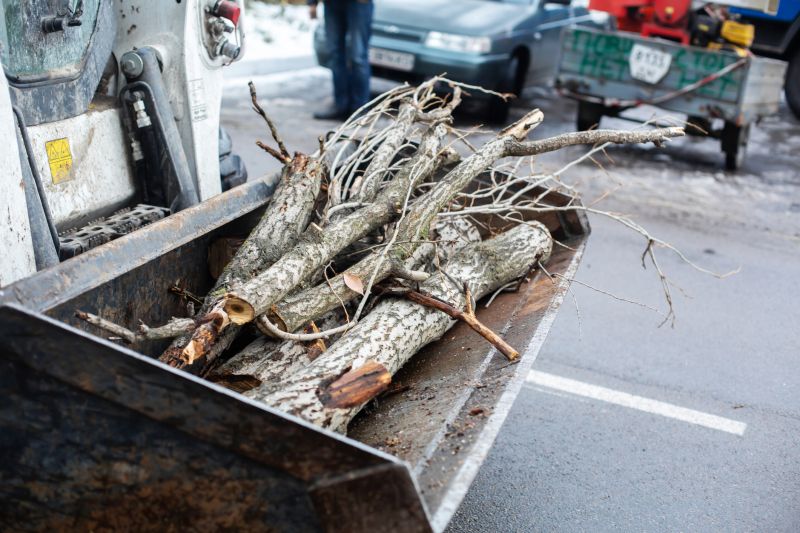
Deadwood removal services involve the safe and efficient removal of dead or hazardous trees, branches, and stumps from residential properties. These services are commonly requested for projects such as clearing fallen trees after storms, removing dead or diseased trees that pose a risk to structures or safety, and stump grinding to improve yard aesthetics and functionality. Property owners should consider factors like the size and location of the trees, potential impact on nearby structures, and any local regulations or permits required before requesting deadwood removal.
Homeowners often seek this service to enhance safety, prevent property damage, or prepare a yard for landscaping or construction projects. It’s important to understand the scope of work involved, including whether the removal will affect existing landscaping, fencing, or utilities. Clarifying these details beforehand can help ensure the process aligns with property goals and safety considerations.
Many property owners in Doylestown, PA look into Deadwood Removal for repairs, replacements, upgrades, and appearance-related improvements.
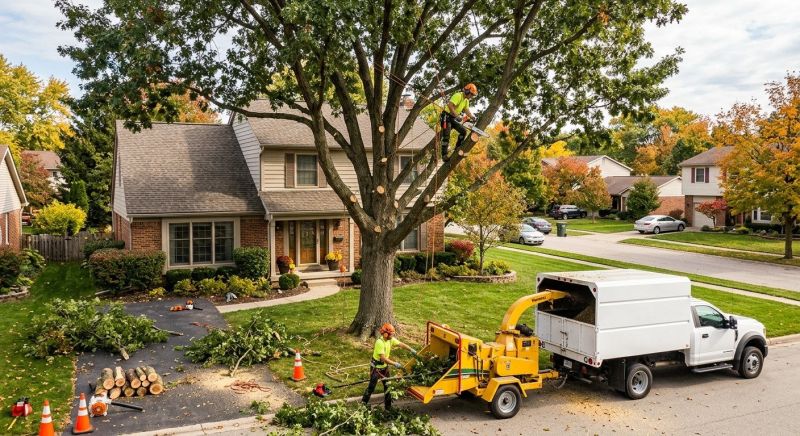
Types Of Deadwood Removed
Removal services can address dead branches, fallen trees, and hazardous limbs to improve safety and appearance.
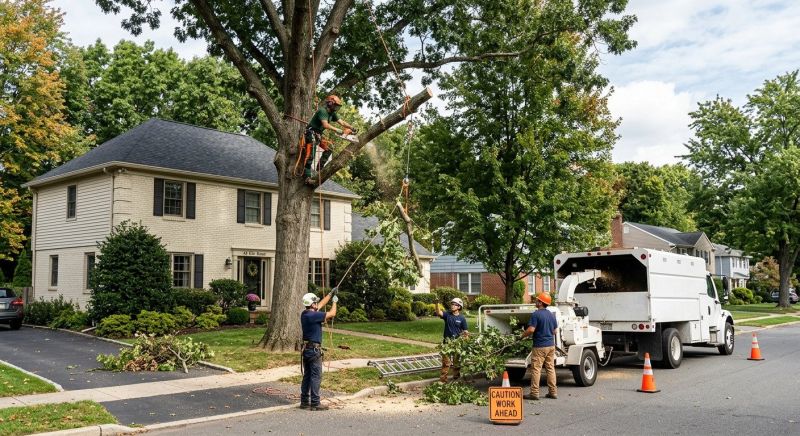
Reasons For Deadwood Removal
Removing deadwood helps prevent property damage, reduces fire risk, and promotes healthy tree growth.
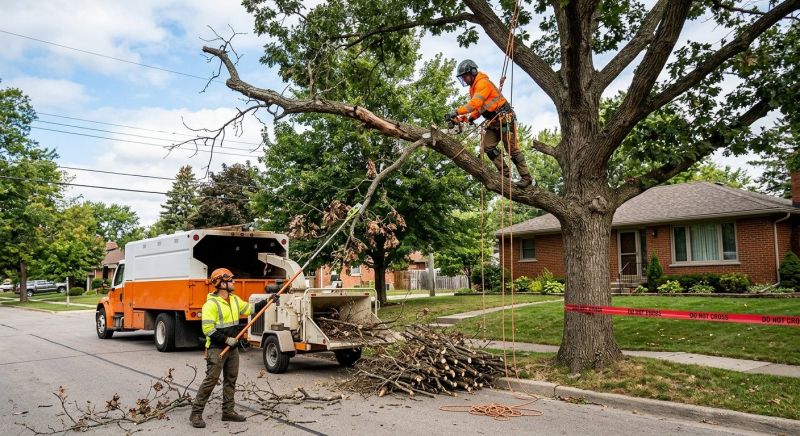
Property Improvement Benefits
Deadwood removal enhances landscape aesthetics and ensures safety around residential and commercial properties in doylestown, pa.
Deadwood Removal in Doylestown, PA
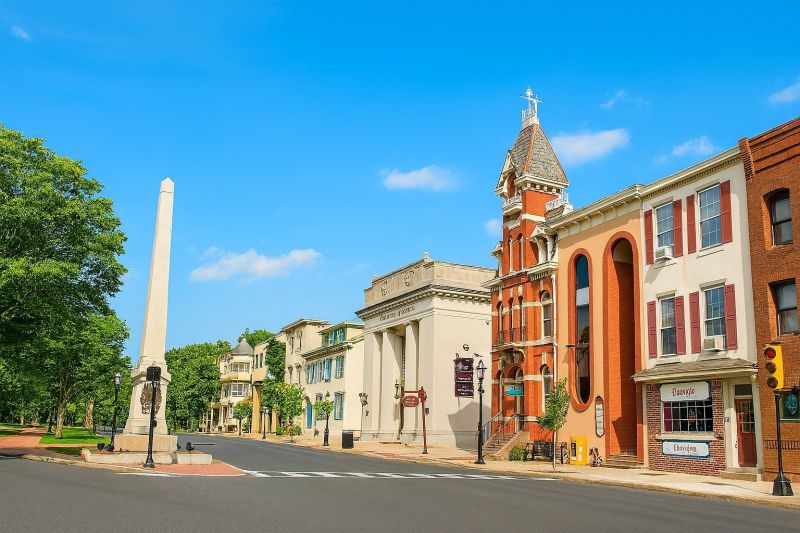
Deadwood removal services involve the safe and efficient removal of dead or hazardous trees, branches, and stumps from residential properties. These services are commonly requested for projects such as clearing fallen trees after storms, removing dead or diseased trees that pose a risk to structures or safety, and stump grinding to improve yard aesthetics and functionality. Property owners should consider factors like the size and location of the trees, potential impact on nearby structures, and any local regulations or permits required before requesting deadwood removal.
Homeowners often seek this service to enhance safety, prevent property damage, or prepare a yard for landscaping or construction projects. It’s important to understand the scope of work involved, including whether the removal will affect existing landscaping, fencing, or utilities. Clarifying these details beforehand can help ensure the process aligns with property goals and safety considerations.
Many property owners in Doylestown, PA look into Deadwood Removal for repairs, replacements, upgrades, and appearance-related improvements.
Common Deadwood Removal Jobs
Deadwood Removal - Clearing dead or decayed trees and branches to improve property safety.
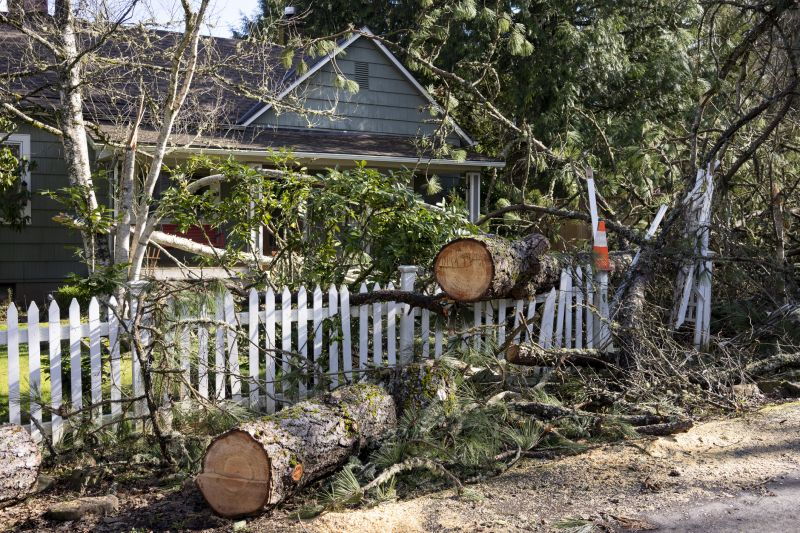
Storm Cleanup - Removing fallen or damaged trees after severe weather events.
Tree Trimming - Pruning dead or diseased limbs to promote healthy growth.
Emergency Tree Services - Quickly addressing hazardous trees that pose immediate risks.
Hedge and Shrub Clearing - Removing overgrown or unwanted vegetation for landscape maintenance.
Land Clearing - Preparing land for construction or landscaping by removing unwanted trees and brush.
Deadwood Removal Questions
What types of trees can be removed? Deadwood removal services typically handle a variety of trees, including both deciduous and evergreen species, to improve safety and health.
When is deadwood removal necessary? Deadwood removal is recommended when hanging or broken branches pose a risk of falling or cause damage to property.
How does deadwood removal benefit a property? Removing dead branches enhances the appearance of trees, promotes healthy growth, and reduces the risk of storm damage.
What areas are covered for deadwood removal? Services generally cover residential and commercial properties in the surrounding Doylestown area, including yards, parks, and commercial landscapes.
Request Deadwood Removal in Doylestown, PA
Use the quote form on this page to share the basics of your project and request more information for the type of work you need.